Trust the Process
Arsenal just won the Premier League after 22 years. What Mikel Arteta's rebuild teaches us about patience, foundation, and leading without rushing to the finish line.
Trust the process means having a clear picture of what you are building, knowing which pieces are in place and which still need time, and staying with the foundation when the result has not arrived yet. Different from blind faith. Different from ignoring what is broken.
Arsenal just won the Premier League.
Twenty-two years. That's how long Arsenal waited for this. Two full decades of watching other clubs lift the trophy. Of being close. Of falling short. Of hearing from everyone on the outside that the project was broken, the manager was wrong, the plan wasn't working.
And in the middle of all of it, one phrase kept showing up. Trust the process.
It started as a slogan. Became a meme. Rival fans used it to mock us. Former players posted it sarcastically on social media. Pundits said it was naive. For years, it looked like a lie we told ourselves.
Then on May 19, 2026, it became the truth.
The man who built it
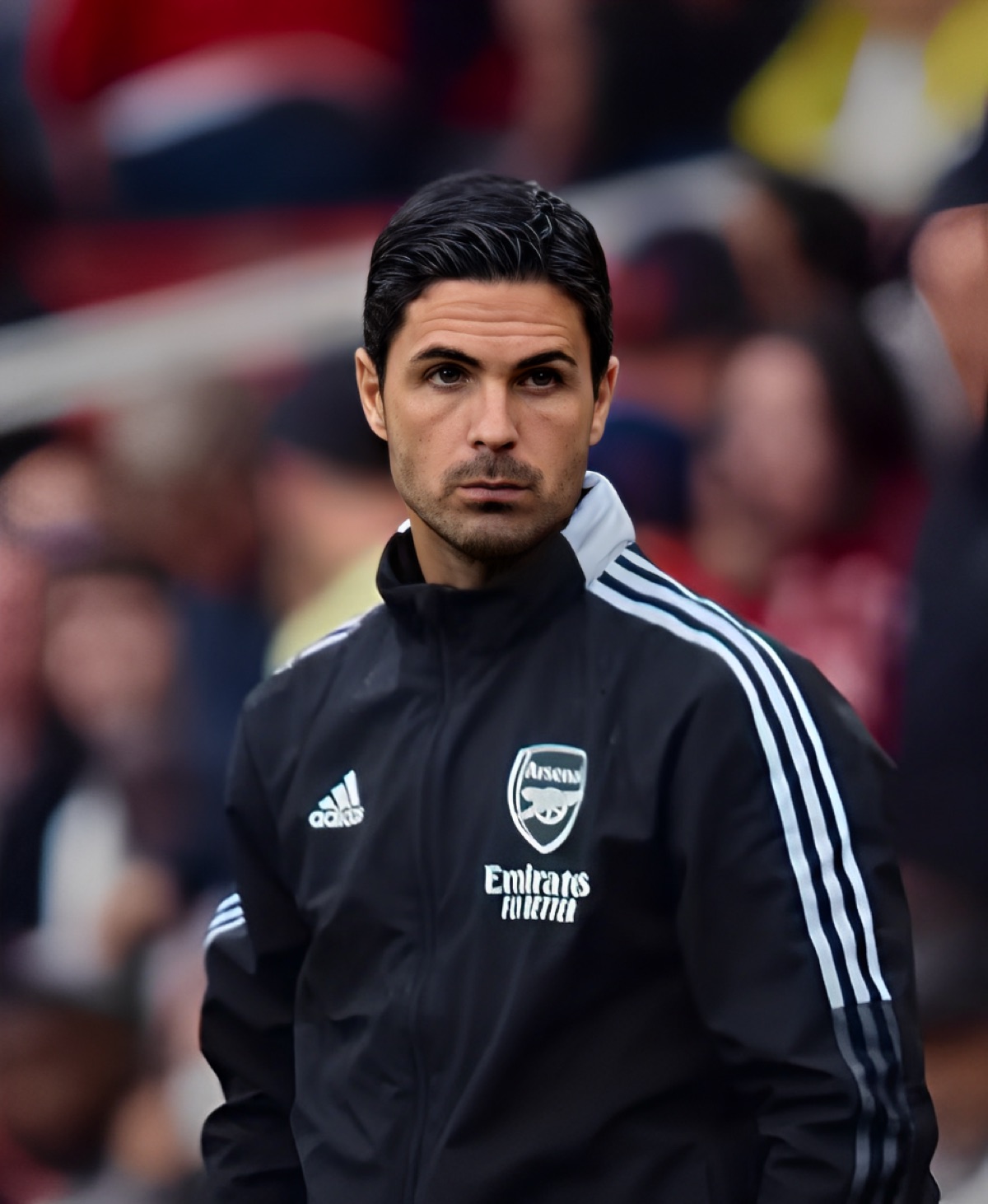

Mikel Arteta played under Arsene Wenger at Arsenal from 2011 to 2016. Five seasons. Two FA Cups. And in 2014, Wenger handed him the captain's armband.
Wenger gave Arteta the captaincy. Arteta was never the fastest player on the pitch. He was the one who saw the whole field.
When he retired, Wenger offered him a role leading the Arsenal academy. Arteta turned it down. He went to Manchester City to learn from Pep Guardiola instead. He spent three years absorbing a different way to build a team, win titles, manage egos. Then in December 2019, he came home.
What he walked into was a mess.
Arsenal finished eighth. Then they opened the next season with three straight losses, including a 5-0 defeat at Manchester City. They sat bottom of the table. The same fans who had been patient were now calling for his head.
Arteta said later that he questioned himself in that moment. Whether he was the right person. Whether this was too big, too soon.
He stayed anyway.
Building from the back
Here's what non-football people need to know about how Arteta's Arsenal play. They build from the back.
In football terms, that means the goalkeeper and center-backs start the attack. They pass short, move the ball deliberately through the lines, and trust that every player knows where to be and when to move.
It's slower. It looks risky. When it goes wrong, it looks terrible. But when it works, it creates chances that the other team can't defend against. Because the movement is too coordinated. Too patient. Too purposeful.
Arsenal outbuilt the league this season. Best defense by a wide margin. Nineteen clean sheets. Eight 1-0 wins. They won through structure.
Here's the leadership lesson in that.
You build a team from the foundation. The quiet stuff. The things nobody sees from the outside. Who you are when nobody is watching. How you show up when the room isn't looking at you yet.
That's presence. That's the first pillar.
What Wenger actually taught him
.jpg)
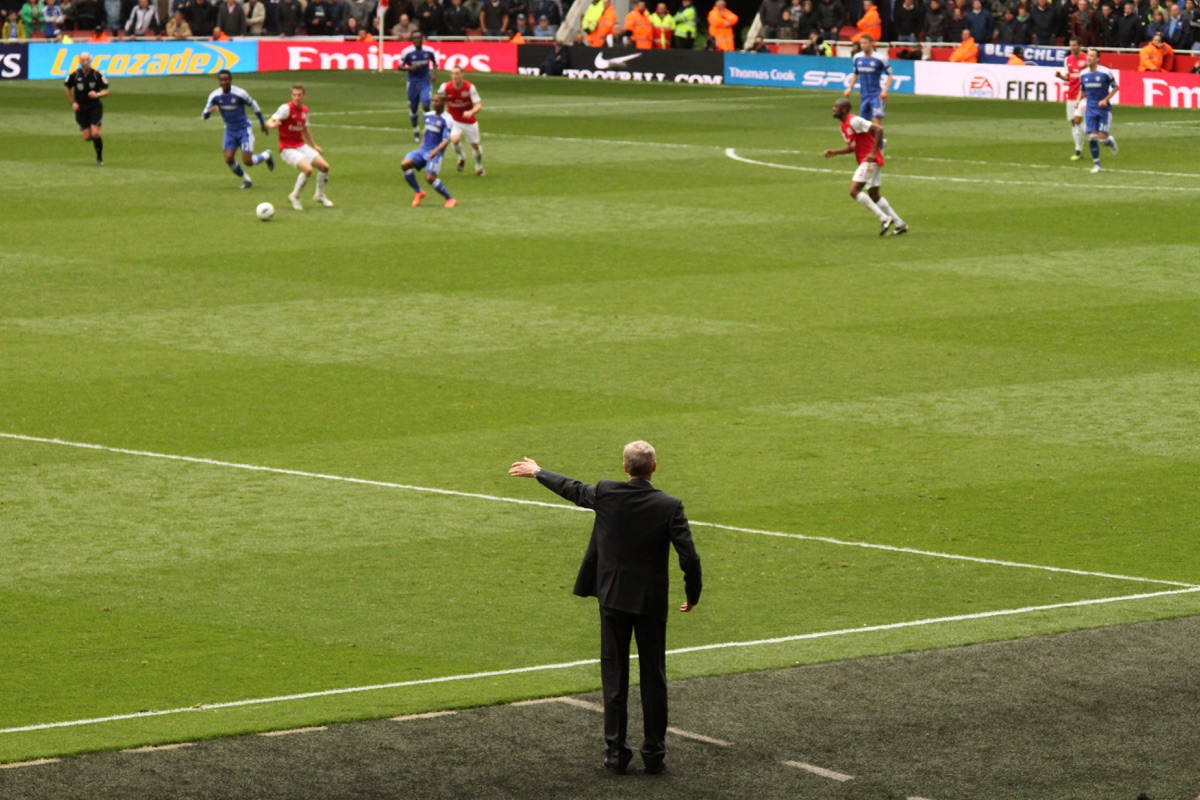
Arteta still talks about Wenger. In a Sky Sports interview, he named him as one of his four primary mentors, alongside Pep Guardiola, Mauricio Pochettino, and David Moyes. He says Wenger's greatest quality was loyalty. To the club. To the players. To the way the game should be played.
Wenger had a phrase for it too. He talked about playing football that was worthy of the supporters. Winning in a way that meant something.
Arteta absorbed that. But he also learned from what Wenger couldn't do in the later years. When the game changed and the old approach stopped being enough, Wenger stayed loyal to it anyway. He trusted the system but didn't adapt the system.
Arteta took the values. Then he adapted them.
He kept the philosophy of beautiful, intelligent football. But he added the defensive structure. The tactical flexibility. The willingness to win ugly when the moment demanded it. He married Wenger's ideals with the pragmatism he learned from Guardiola.
That's leadership. Holding your values while adapting your methods. Staying rooted while staying open.
That's performance. That's the second pillar.
Three years of second place
Arsenal finished second three seasons in a row before winning the title. Three consecutive years of being close enough to feel it. And every time, something went wrong at the end. A dropped point here. An injury there. A result that didn't go their way.
Most leaders would have changed everything after the first time. Definitely after the second. By the third, the entire world was saying the ceiling had been reached.
Arteta didn't blow it up. He adjusted. He added pieces. He let young players mature instead of replacing them. He trusted that Bukayo Saka would become the player he could see, even when Saka was 19 and shouldering the weight of an entire fanbase's expectations. He trusted that William Saliba needed time in France before he was ready for the Premier League, even when fans were screaming to use him immediately.
He didn't rush to the finish line.
What "trust the process" actually means
It means having a clear picture of what you're building. Knowing which pieces are already in place. Knowing which pieces still need time. And being honest with yourself about the difference.
When Arteta sat bottom of the table in August 2021, he didn't pretend it was fine. He questioned himself. He felt the weight. But he also knew that the foundation he was building, the young players, the culture, the tactical identity, none of that was wrong. It just wasn't finished yet.
The same thing happens in leadership. You're six months into a new role. Or two years into building a team. Or three quarters into a restructure that hasn't shown results yet. And the pressure builds. People want the outcome now. Your boss wants a number. Your team wants clarity. And you start to wonder if you're the problem.
Maybe you're not the problem. Maybe the thing isn't finished yet.
The question worth holding: am I building something real, or am I surviving?
If the foundation is real, you stay with it.
Slow is not still
This is the part people get wrong. Trusting the process doesn't mean sitting still. Arteta was constantly adjusting. Every transfer window, every training session, every tactical tweak. He changed the shape. He rotated the squad. He evolved the pressing triggers. He adapted.
But he never abandoned the core identity. Build from the back. Trust your teammates. Move together. Don't panic.
In leadership terms: you can iterate on your methods without abandoning your values. You can change the tactics without losing the philosophy. You can try something new on Monday without throwing away everything you built last quarter.
That's integrity. That's the third pillar. The integration of patience with action. Of conviction with flexibility. Of knowing who you are while staying open to who you're becoming.
The parallel
Arteta is 44 years old. He's the youngest manager in Arsenal's history to win the league. He did it by trusting people who weren't ready yet. By building from vulnerability. By refusing to be rushed into someone else's timeline.
The leaders I coach are in their own version of this. The early months of a new role. The first year of leading a team they inherited. The stretch where nothing feels like it's coming together yet.
And the instinct is always the same. Rush. Fix. Force. Show results before you've built what creates the results.
What Arteta teaches us is simpler than all of that.
Build from behind. Trust the people around you. Let the foundation do its work. Don't skip to the finish line because someone else is impatient.
The process is the point.
You already know this. You needed someone to say it out loud.